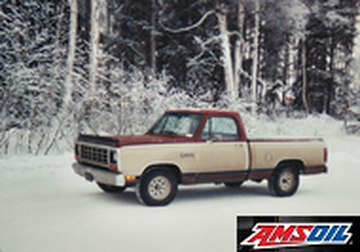
Engine Lubrication Maintenance for the 1982 Dodge Trucks D150 5.2L
Maintaining a vehicle from the early 1980s requires a proactive approach to fluid management and mechanical inspection. For owners of the 1982 Dodge Trucks D150 equipped with the 5.2L engine, consistent attention to lubrication is a fundamental aspect of long-term engine health. Because these vehicles have been in operation for several decades, service routines often shift from simple scheduled changes to more detailed condition-based monitoring.
Monitoring Fluid Integrity and Consumption
One of the most effective ways to monitor the health of the 5.2L engine is through regular observation of lubricant levels and appearance. Over time, an engine's internal components may experience changes in how they manage fluids. It is useful to establish a baseline by checking the oil level frequently and noting any significant changes in how much lubricant the engine uses between service intervals.
When performing these checks, pay close attention to the following:
- Lubricant Color and Texture: While oil naturally darkens with use, an extremely rapid change in color or a gritty texture can indicate that contaminants are present.
- Fluid Levels: Regularly checking the dipstick helps identify if the engine is consuming more lubricant than expected. Significant changes in consumption levels warrant further investigation into the engine's current state.
- External Seepage: Inspecting the area around the engine for signs of fluid seepage can help identify aging gaskets or seals before they lead to more significant issues.
It is important to remember that various symptoms, such as a change in oil appearance or an unusual odor, can have multiple causes. Rather than jumping to a specific conclusion about a component failure, these signs should be treated as indicators that a more thorough inspection is necessary.
Prioritizing Service Based on Vehicle Condition
For a 1982 Dodge Trucks D150, maintenance priorities are often best determined by the actual condition of the vehicle rather than just its age. If you have a complete history of previous repairs and fluid changes, you can use that data to establish a reliable maintenance baseline. However, if the service history is unknown, your first priority should be to assess the current state of all vital systems.
When managing an older engine, focus on addressing active concerns first. This includes investigating any visible leaks or responding to changes in how the engine operates. Once the immediate needs are met, you can transition into preventive maintenance. This involves monitoring aging materials—such as rubber hoses or belts, if equipped—to ensure they remain pliable and intact. Distinguishing between necessary repairs and unnecessary parts replacement is key to efficient ownership; focus on components that show actual signs of wear or deterioration rather than replacing parts simply because the vehicle has reached a certain age.
Observing Potential Warning Signs
Effective maintenance involves being able to recognize when something is not quite right. While many issues develop slowly, some may present more sudden indicators. For the 5.2L engine in this D150, owners should stay alert to several key signs:
- Changes in Engine Sound: Unusual mechanical noises that were not previously present can be associated with various lubrication or mechanical issues and should be investigated promptly.
- Warning Indicators: If the dashboard features any oil-related warning lights or indicators, these require immediate attention to prevent potential damage.
- Exhaust Observations: Changes in exhaust characteristics, such as unusual smoke, may indicate that the engine is managing lubricants differently than before and warrants a professional inspection.
- Evidence of Overheating: Since heat management is critical for all internal combustion engines, any signs of overheating should be addressed immediately, as excessive heat can affect the stability of the engine oil.
Always approach these symptoms with the understanding that they are indicators rather than definitive diagnoses. A single symptom might point to several different underlying causes, and a professional diagnostic approach is often required to find the root issue.
Managing Aging Components and Seals
As vehicles age, the materials used in gaskets and seals can undergo changes due to heat cycles and time. For the 1982 Dodge Trucks D150, it is practical to perform routine visual inspections of accessible areas for signs of seepage or leakage. Rather than assuming a specific seal has failed, look for evidence of fluid migration around sealing surfaces.
In addition to seals, other age-sensitive components should be part of a regular inspection routine. If the vehicle is equipped with various drive belts, check them for signs of cracking, glazing, or fraying. Similarly, if hoses are present and accessible, inspect them for brittleness or swelling. Maintaining these peripheral components helps ensure that the engine operates within its intended parameters and prevents secondary issues caused by the failure of a minor part.
Effective Record Keeping for Long-Term Ownership
One of the most valuable tools for any owner of a classic truck is a detailed maintenance log. Keeping a record of every oil change, filter replacement, and mechanical repair provides a clear picture of the vehicle's history. This documentation is particularly helpful when:
- Establishing a Baseline: If you have recently acquired the vehicle, your first few months of recorded observations will help you understand what "normal" looks like for this specific engine.
- Identifying Trends: Records allow you to see if oil consumption or fluid seepage is increasing over time, which helps in planning future maintenance.
- Assisting Technicians: Providing a clear history of service can significantly speed up the diagnostic process when a new issue arises.
A well-maintained record allows you to move from reactive repairs to proactive management, ensuring that the 5.2L engine remains a reliable part of your vehicle for as long as possible.
Practical Advice for Buying Engine Oil for the 1982 Dodge Trucks D150 5.2L
When it is time to replenish your engine's lubricant, the most important step is to ensure the product matches the specific requirements of your application. Do not rely on general automotive knowledge or assumptions based on the age of the truck to select a grade. Instead, match the engine oil to the application-specific viscosity information already displayed on this page.
Before making a purchase, carefully check the product labeling to verify that the oil meets the necessary quality standards and certifications. Depending on your specific needs and the current condition of your engine, you may encounter various options, including conventional oils, synthetic blends, or full synthetic formulations. Some high-mileage oil formulations also contain additives intended for use in aging engines, such as seal-conditioning additives. However, the best choice is always the one that aligns with the specific viscosity and application details provided in your vehicle's documentation above. Always verify that the oil you select is appropriate for the 5.2L engine configuration of your 1982 Dodge Trucks D150.